


Applying Epoxy in Cold Conditions: Best Practices for Reliable, Long-Lasting Results
How to Apply an Epoxy Coating in Cold Weather
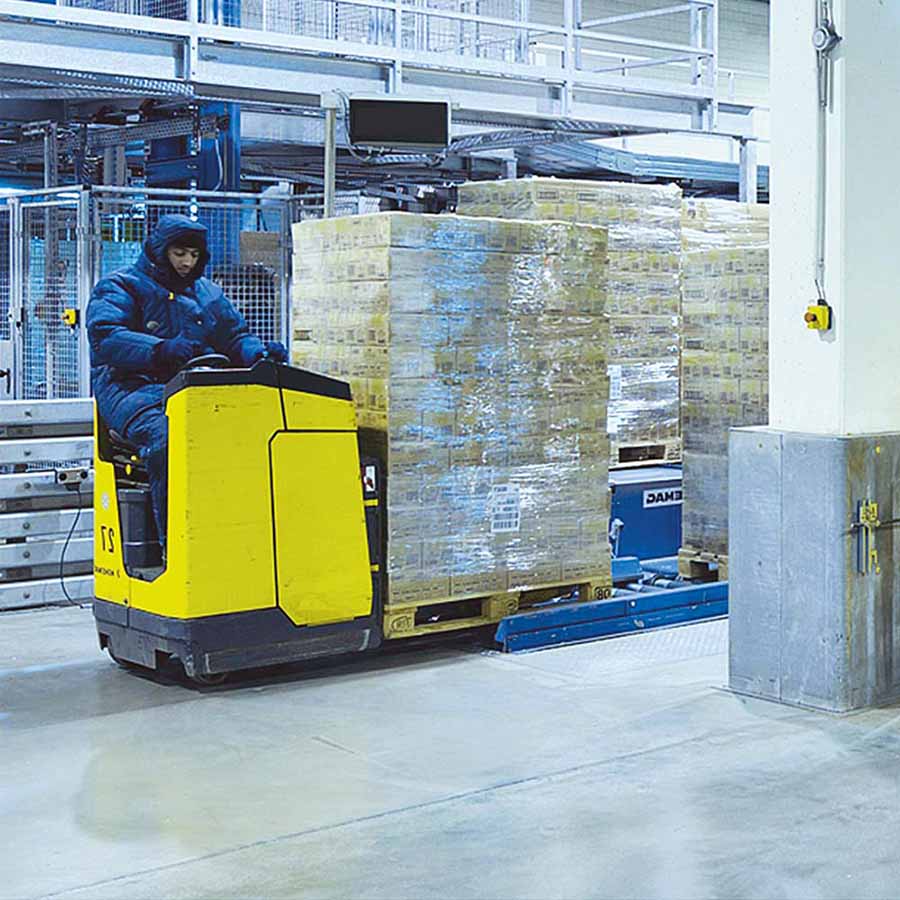
Applying epoxy during the colder months requires careful planning because low temperatures can affect how the product flows, bonds, and cures. Before beginning any project, it’s essential to understand the minimum storage, application, and curing temperatures recommended for your chosen epoxy system.
Some coatings simply won’t perform well in the cold, while others, such as Polycote’s specialist formulations, are designed to cure even at extremely low temperatures, sometimes down to –30 °C. Always check the technical data sheet for every component you plan to use so you know the exact conditions required for repair mortars, primers, and top coats to work together effectively.
Applying epoxy during the colder months requires careful planning because low temperatures can affect how the product flows, bonds, and cures. Before beginning any project, it’s essential to understand the minimum storage, application, and curing temperatures recommended for your chosen epoxy system.
Some coatings simply won’t perform well in the cold, while others, such as Polycote’s specialist formulations, are designed to cure even at extremely low temperatures, sometimes down to –30 °C. Always check the technical data sheet for every component you plan to use so you know the exact conditions required for repair mortars, primers, and top coats to work together effectively.
Transporting and Handling Materials
Cold weather starts affecting your epoxy long before you begin applying it. Materials that have been transported in freezing conditions can become thick and difficult to mix or spread, which reduces coverage and affects adhesion. As soon as your products arrive on site, bring them indoors and allow them to warm up naturally. When epoxy is stored at a suitable temperature before mixing, it flows more easily and produces a more consistent finish.
Cold weather starts affecting your epoxy long before you begin applying it. Materials that have been transported in freezing conditions can become thick and difficult to mix or spread, which reduces coverage and affects adhesion. As soon as your products arrive on site, bring them indoors and allow them to warm up naturally. When epoxy is stored at a suitable temperature before mixing, it flows more easily and produces a more consistent finish.
Heating the Workspace
A warm working environment is essential for a successful cold-weather application. If your project takes place in an unheated building, you’ll need to bring the temperature up well in advance. Electric heaters are ideal because they avoid the fumes associated with gas-powered equipment. Remember that warm air rises and the floor slab remains the coldest part of the building, particularly near exterior walls. Even when the room feels comfortable, the slab may still be too cold for proper curing. Heating may need to run for several days to bring the slab to the correct temperature, so plan ahead to avoid delays.
A warm working environment is essential for a successful cold-weather application. If your project takes place in an unheated building, you’ll need to bring the temperature up well in advance. Electric heaters are ideal because they avoid the fumes associated with gas-powered equipment. Remember that warm air rises and the floor slab remains the coldest part of the building, particularly near exterior walls. Even when the room feels comfortable, the slab may still be too cold for proper curing. Heating may need to run for several days to bring the slab to the correct temperature, so plan ahead to avoid delays.
Managing Doorways and Drafts
Cold air entering through open or poorly sealed doorways can have a dramatic impact on curing. When uncured epoxy is exposed to freezing drafts, parts of the surface may never harden correctly. Before applying your coating, make sure any gaps at external doors are sealed to prevent cold air from drifting across the freshly coated floor. Temporary barriers such as tape, brush strips, or weighted draught excluders can make a significant difference to the final result.
Cold air entering through open or poorly sealed doorways can have a dramatic impact on curing. When uncured epoxy is exposed to freezing drafts, parts of the surface may never harden correctly. Before applying your coating, make sure any gaps at external doors are sealed to prevent cold air from drifting across the freshly coated floor. Temporary barriers such as tape, brush strips, or weighted draught excluders can make a significant difference to the final result.
Addressing Moisture and Roof Leaks
Moisture is another major concern during winter applications. Leaks, condensation, or high humidity interfere with curing and can cause surface defects. If the temperature drops below roughly 10 °C or the humidity rises above around 80 percent, you should reconsider whether conditions are suitable for application unless you’re using an epoxy formula specifically designed for cold weather. Ensuring a dry, stable environment will help your coating bond properly and cure to full strength.
Moisture is another major concern during winter applications. Leaks, condensation, or high humidity interfere with curing and can cause surface defects. If the temperature drops below roughly 10 °C or the humidity rises above around 80 percent, you should reconsider whether conditions are suitable for application unless you’re using an epoxy formula specifically designed for cold weather. Ensuring a dry, stable environment will help your coating bond properly and cure to full strength.
Selecting the Right Epoxy Product
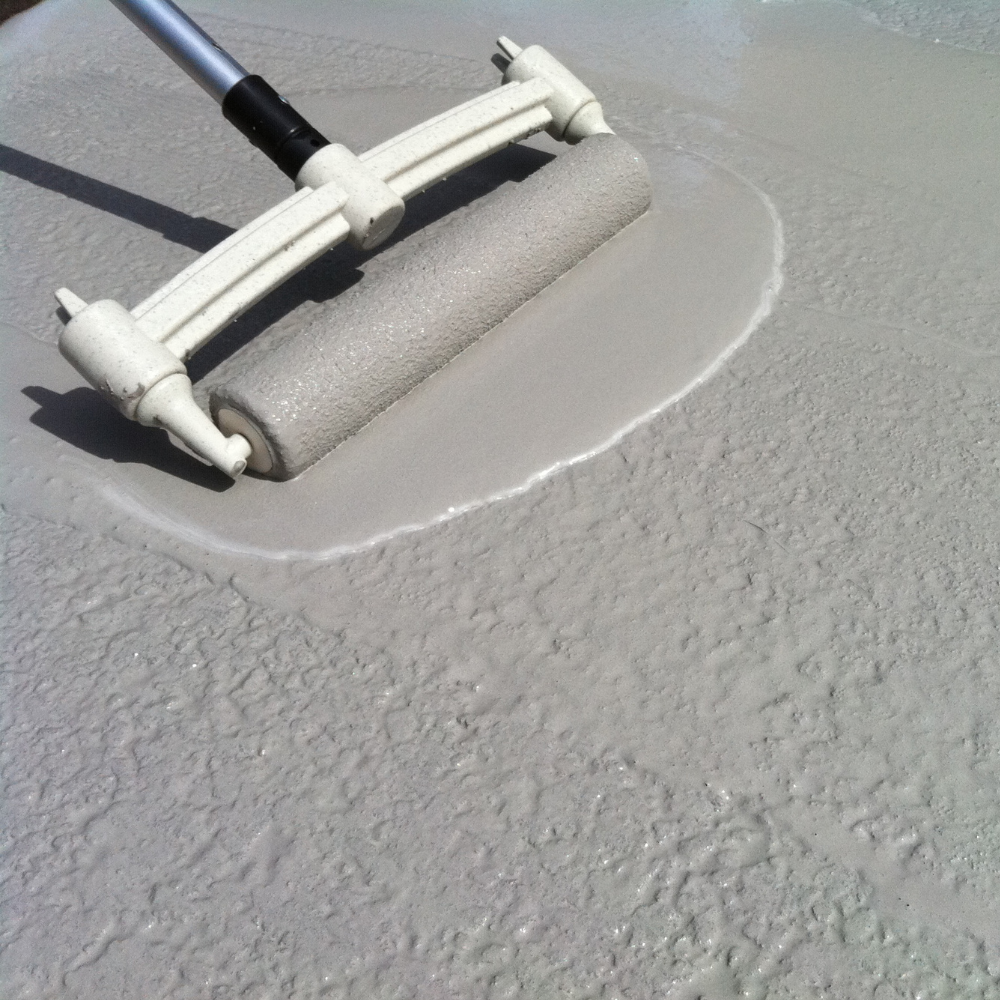
Not all products behave the same way in low temperatures. For winter work, it’s important to choose an epoxy system that has been formulated for cold-weather performance. The right product will cure reliably without the problems associated with standard coatings used outside their recommended temperature range. If you’re unsure which system is appropriate for your site conditions, Polycote’s technical team can offer guidance and help you select the most suitable option.
Not all products behave the same way in low temperatures. For winter work, it’s important to choose an epoxy system that has been formulated for cold-weather performance. The right product will cure reliably without the problems associated with standard coatings used outside their recommended temperature range. If you’re unsure which system is appropriate for your site conditions, Polycote’s technical team can offer guidance and help you select the most suitable option.
Taking Advantage of Cooler Conditions
Although cold weather introduces challenges, it can also offer one useful benefit: extended pot life. When the ambient temperature is lower, mixed epoxy tends to remain workable for a longer period of time. This gives you more flexibility during application and can make it easier to achieve an even finish, as long as the other conditions, such as substrate temperature and humidity, are properly controlled.
Although cold weather introduces challenges, it can also offer one useful benefit: extended pot life. When the ambient temperature is lower, mixed epoxy tends to remain workable for a longer period of time. This gives you more flexibility during application and can make it easier to achieve an even finish, as long as the other conditions, such as substrate temperature and humidity, are properly controlled.
Final Considerations Before You Begin
Success in cold-weather epoxy application comes down to preparation. Take the time to warm your materials, stabilise the environment, seal off any cold drafts, and confirm that the floor slab has reached a suitable temperature. Choose a product designed to handle low temperatures, and don’t hesitate to seek expert advice if conditions are particularly demanding. A careful approach helps ensure your coating cures correctly and delivers the durability and appearance you expect.
Success in cold-weather epoxy application comes down to preparation. Take the time to warm your materials, stabilise the environment, seal off any cold drafts, and confirm that the floor slab has reached a suitable temperature. Choose a product designed to handle low temperatures, and don’t hesitate to seek expert advice if conditions are particularly demanding. A careful approach helps ensure your coating cures correctly and delivers the durability and appearance you expect.
Need More Advice on Applying Epoxy in Cold Weather?
Our technical team are experienced in applying epoxy resin coatings in any conditions. Call 01234 846 780 or email [email protected] for free advice from our experts.
Article contributors