

6 Reasons to Seal an Epoxy Resin Floor
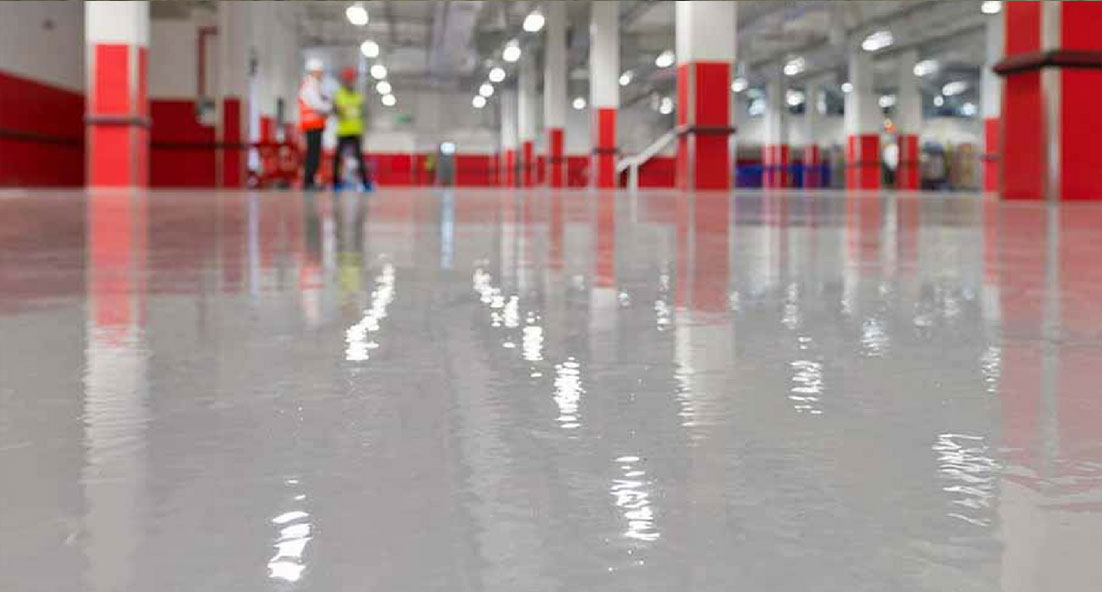
Epoxy resin floors are a smart investment for commercial, industrial, and high‑traffic spaces. They offer durability, chemical resistance, and a professional finish. But for businesses that want the best long-term performance, adding a clear top coat or sealer is more than just an aesthetic choice – it’s a strategic decision. Here are six compelling reasons to seal your epoxy floor.
Epoxy resin floors are a smart investment for commercial, industrial, and high‑traffic spaces. They offer durability, chemical resistance, and a professional finish. But for businesses that want the best long-term performance, adding a clear top coat or sealer is more than just an aesthetic choice – it’s a strategic decision. Here are six compelling reasons to seal your epoxy floor.
1. Hides Scratches and Scuffs
Even the toughest epoxy floor can accumulate scratches, scuffs, or wear marks over time, especially in industrial or retail environments. A clear sealer acts as a protective buffer, masking minor imperfections and keeping your floor looking polished.
For businesses, this means:
- Reduced maintenance costs — minor marks don’t need immediate repair.
- Preserved professional appearance — essential in client-facing areas.
- Easy maintenance — top layers can be recoated without stripping the entire floor.
Even the toughest epoxy floor can accumulate scratches, scuffs, or wear marks over time, especially in industrial or retail environments. A clear sealer acts as a protective buffer, masking minor imperfections and keeping your floor looking polished.
For businesses, this means:
- Reduced maintenance costs — minor marks don’t need immediate repair.
- Preserved professional appearance — essential in client-facing areas.
- Easy maintenance — top layers can be recoated without stripping the entire floor.
2. Boosts Durability and Wear Resistance
Epoxy itself is durable, but the topcoat layer plays a critical role in long-term performance. A high-quality sealer:
- Increases resistance to foot traffic, trolleys, or equipment.
- Protects the colour and pattern layers beneath from wear and fading.
- Extends the life cycle of the floor, delaying costly replacements.
For industrial spaces, a stronger surface reduces downtime due to floor repairs, keeping operations smooth.
Epoxy itself is durable, but the topcoat layer plays a critical role in long-term performance. A high-quality sealer:
- Increases resistance to foot traffic, trolleys, or equipment.
- Protects the colour and pattern layers beneath from wear and fading.
- Extends the life cycle of the floor, delaying costly replacements.
For industrial spaces, a stronger surface reduces downtime due to floor repairs, keeping operations smooth.
3. Improves Chemical Resistance
Spills of oils, cleaning agents, solvents, or even industrial chemicals are common in commercial environments. While epoxy resins are chemically resistant, a dedicated sealer layer provides an extra protective shield.
Benefits include:
- Reducing the risk of chemical damage or staining.
- Preserving floor aesthetics and integrity over time.
- Lowering maintenance and repair costs caused by accidental spills.
Spills of oils, cleaning agents, solvents, or even industrial chemicals are common in commercial environments. While epoxy resins are chemically resistant, a dedicated sealer layer provides an extra protective shield.
Benefits include:
- Reducing the risk of chemical damage or staining.
- Preserving floor aesthetics and integrity over time.
- Lowering maintenance and repair costs caused by accidental spills.
4. Adds UV Resistance
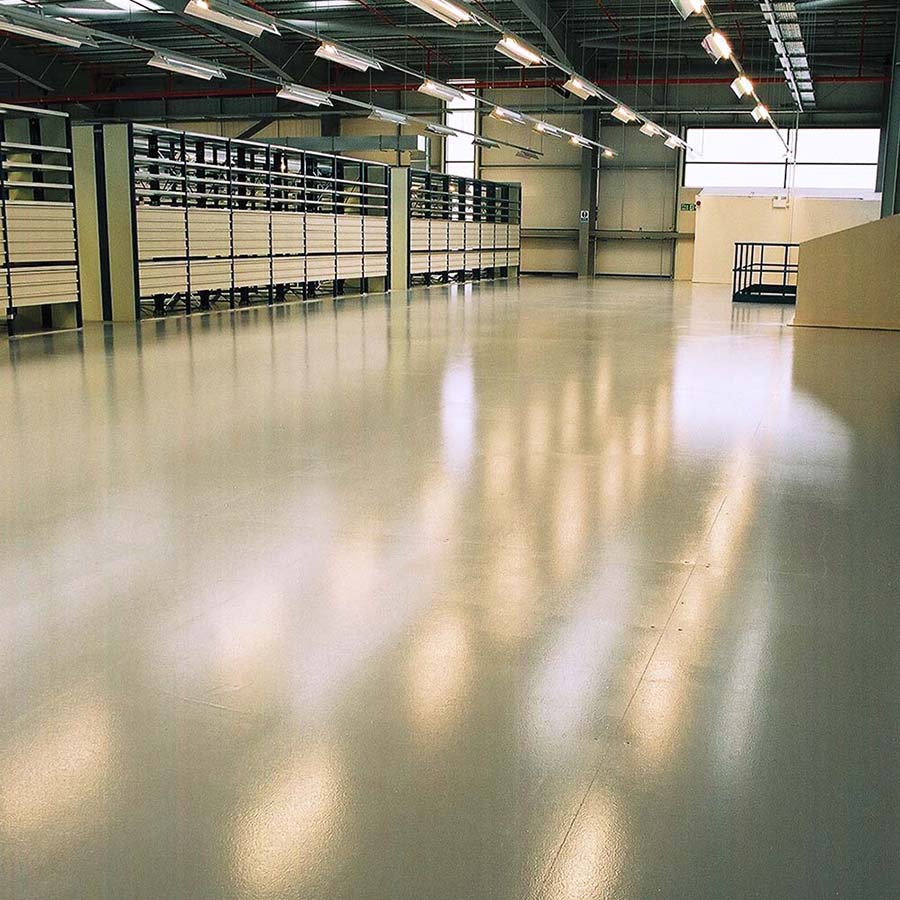
UV exposure isn’t just a problem outdoors, bright indoor lighting can contribute to fading and yellowing over time. Many epoxy and polyurethane coatings degrade under UV, affecting colour and gloss. Sealing with a UV-stable coating:
- Maintains consistent colour and gloss.
- Prevents premature yellowing or discolouration.
- Protects brand image in visible areas like showrooms or offices.
UV exposure isn’t just a problem outdoors, bright indoor lighting can contribute to fading and yellowing over time. Many epoxy and polyurethane coatings degrade under UV, affecting colour and gloss. Sealing with a UV-stable coating:
- Maintains consistent colour and gloss.
- Prevents premature yellowing or discolouration.
- Protects brand image in visible areas like showrooms or offices.
5. Offers Finish Choice: Gloss, Satin, or Matt
A floor’s finish can influence safety, aesthetics, and brand perception. Sealing gives you the flexibility to customise the final look:
- High gloss for a premium, reflective surface.
- Satin for a subtle, professional sheen.
- Matt for minimal glare, suitable for warehouses or industrial settings.
Choosing the right finish can also reduce slip hazards and improve lighting conditions, depending on the application.
A floor’s finish can influence safety, aesthetics, and brand perception. Sealing gives you the flexibility to customise the final look:
- High gloss for a premium, reflective surface.
- Satin for a subtle, professional sheen.
- Matt for minimal glare, suitable for warehouses or industrial settings.
Choosing the right finish can also reduce slip hazards and improve lighting conditions, depending on the application.
6. Enhances Perceived Value and Professionalism
A sealed epoxy floor doesn’t just perform better — it looks better. Businesses benefit from:
- Creating a strong first impression on clients and visitors.
- Demonstrating attention to detail and investment in quality.
- Increasing property value or enhancing the usability of industrial facilities.
A well-sealed floor signals durability, professionalism, and long-term thinking — qualities that matter in B2B decision-making.
A sealed epoxy floor doesn’t just perform better — it looks better. Businesses benefit from:
- Creating a strong first impression on clients and visitors.
- Demonstrating attention to detail and investment in quality.
- Increasing property value or enhancing the usability of industrial facilities.
A well-sealed floor signals durability, professionalism, and long-term thinking — qualities that matter in B2B decision-making.
Conclusion
Sealing an epoxy resin floor is not just a finishing touch — it’s a strategic investment in longevity, safety, and aesthetics. For businesses, the extra protection translates into lower maintenance, improved operational efficiency, and a professional look that reflects your brand.
Whether you’re outfitting a warehouse, office, retail space, or industrial facility, a clear topcoat is essential for maximising the performance of your epoxy floor.
Sealing an epoxy resin floor is not just a finishing touch — it’s a strategic investment in longevity, safety, and aesthetics. For businesses, the extra protection translates into lower maintenance, improved operational efficiency, and a professional look that reflects your brand.
Whether you’re outfitting a warehouse, office, retail space, or industrial facility, a clear topcoat is essential for maximising the performance of your epoxy floor.
Need More Advice on Epoxy Top Coats and Sealers?
Our technical team are on hand to provide advice and recommendations on which top coat or sealer is best for your job. Call today on 01234 846 780 or email uksales@polycote.com.

Article contributors