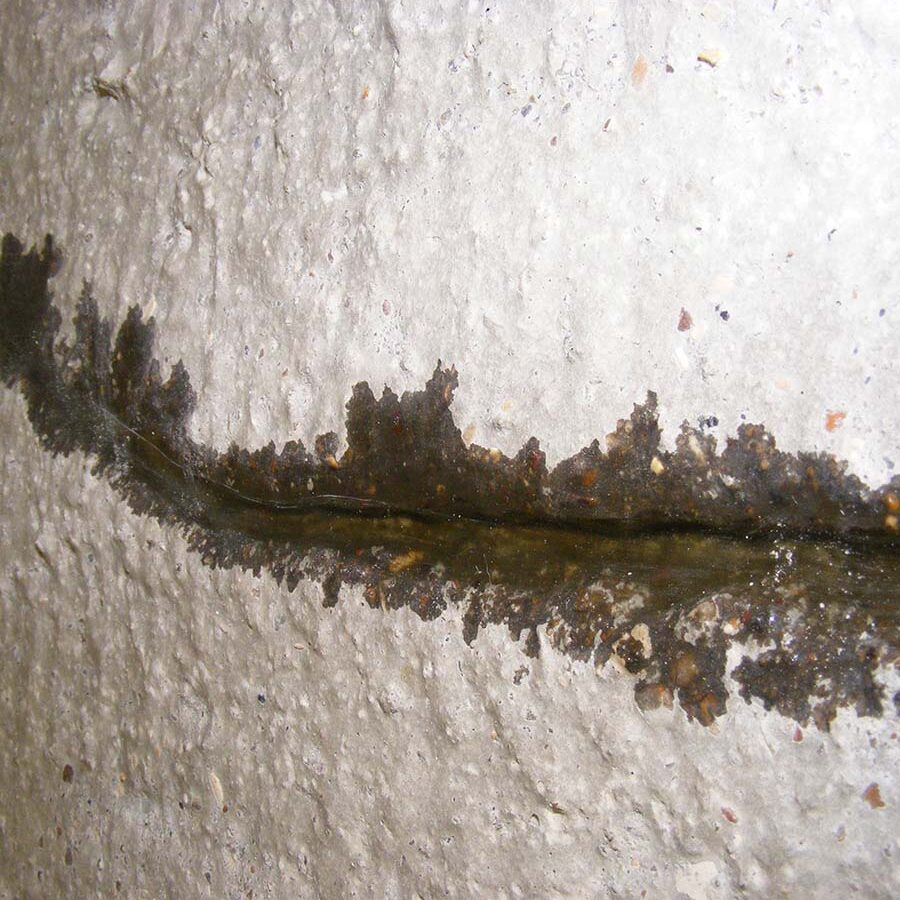
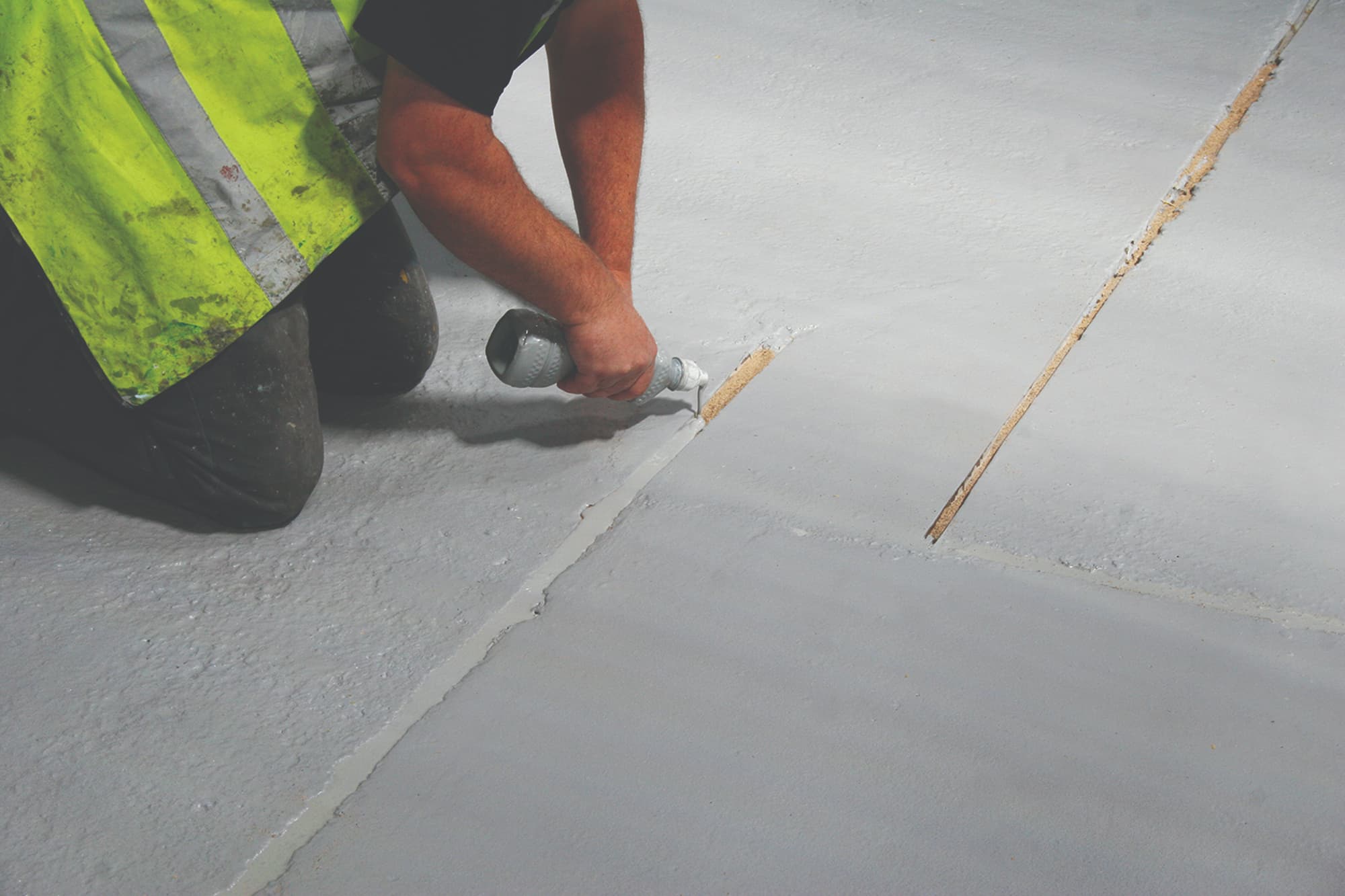
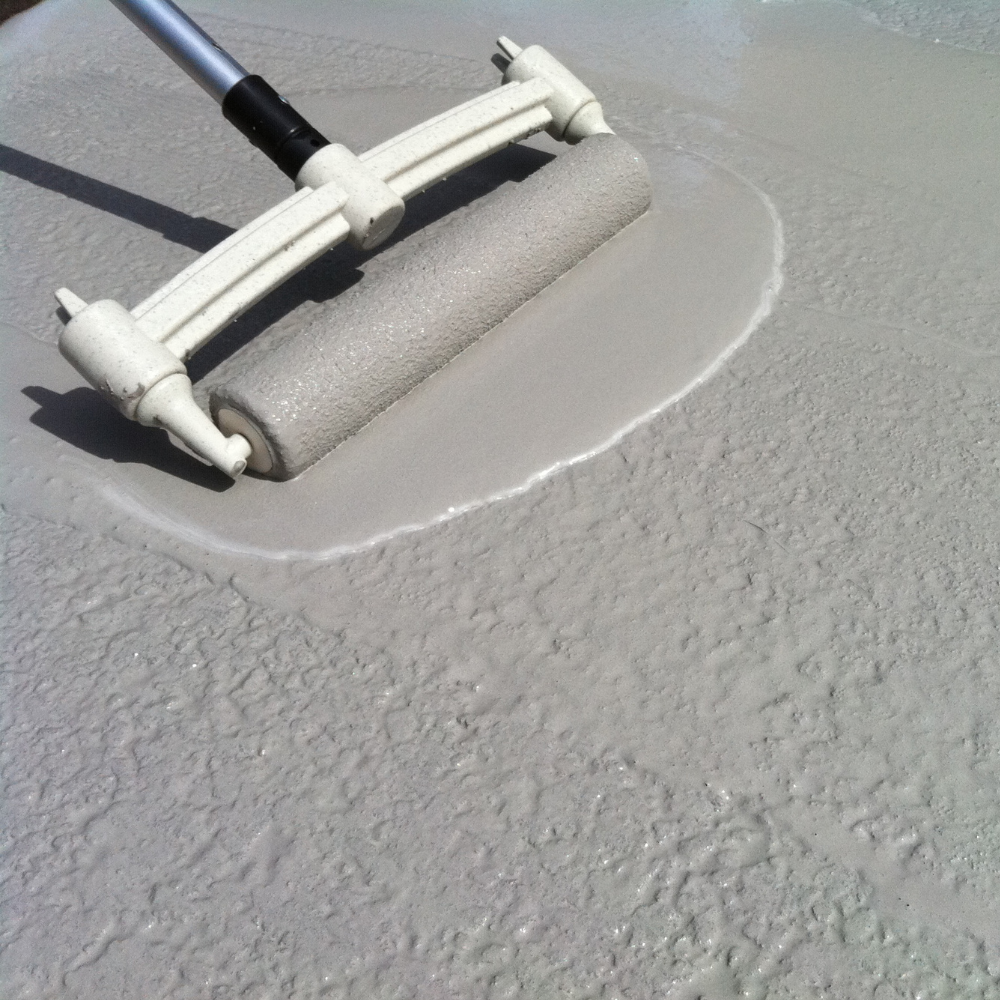
Crackfiller EP100 is a solvent free 100% solids two part epoxide resin based system with a low viscosity hardener. Its free flowing, pourable formulation is designed to facilitate the filling of cracks and gaps from 0.1mm to 10mm, rapidly achieving mechanical strength several times that of high quality concrete. Crackfiller EP100 is non-shrink and ensures total fill of the crack or joint. Once hardened, it is resistant to most chemicals including petroleum products and freeze thaw cycles.
Typical Uses
Crackfiller EP100 is designed for filling and bonding existing cracks in concrete, including those classified as structural. Its low-viscosity formulation enables it to penetrate fine fissures, providing a durable repair once cured. It is also suitable for bonding lifted floor toppings and for structural support where dynamic load resistance is required. This product is intended solely for filling cracks that have already formed and is not designed to prevent new cracking.
Suitable substrates
Crackfiller EP100 is suitable for use on old and new concrete.
Colour
Crackfiller EP100 is a translucent straw-coloured liquid.
Packaging
Crackfiller EP100 is available in 1 kg, 2.5 kg and 7.5kg unit sizes and supplied in pre-measured quantities as a two part unit comprising resin Part ‘A’ and hardener Part ‘B’.
TIP. You may be interested to note that if the crack is extremely wide or deep, that kiln dried sand (commonly used as block paving sand) can be either poured into the hole first, leaving 5-10mm down from the top) or can be mixed in to the resin to form a type of mortar. Please do remember though that should the crack be thin, it is best to pour the resin neat so that it does indeed penetrate well into the said crack.
IMPORTANT. Is the said crack really a structural crack? If it is irregular and ‘wiggly’ then it is most probably a structural crack. However, if it is in a dead straight line, then it may well be a ‘day joint’ (a natural joint between two individually poured slabs of concrete) or even an expansion joint. If it is either of these, it is in fact very important that you fill these joints with a flexible filler, otherwise the concrete is only likely to crack again.
If you are not sure how to tell the difference between various floor cracks, view our guide here – ‘How to tell the difference between an expansion joint and a structural crack‘.
Preparation:
The substrate should be clean and free from dust or oil contamination. For best results the surface should be dry but Crackfiller EP100 will tolerate damp surfaces. A gas torch may help to remove oil or moisture from the surface and clean, dry compressed air may be used to blow out small cracks.
New concrete should be at least 21-28 days old or the moisture content less than 5%.
Mixing:
Having fully prepared the substrate, add all the contents of the curing agent, Part B, to epoxy resin Part A and mix thoroughly for several minutes using a low speed electric drill until a clear homogenous mix is obtained.
Keep all components at room temperature for 24 hours before use.
Application:
The materials should be poured into the crack immediately after mixing, using a jug or suitable pouring vessel. A bead of caulk/sealant may be applied temporarily along each side of the crack to prevent the flow of the material onto the surrounding area. Surplus mixed material may generate considerable heat within the container at the end of the pot life. Any unused material is best mixed with sand to reduce the heat output before discarding.
Application Temperature
The temperature of the substrate must be 3 degrees above the dew point temperature. Minimum application temperature is 5°C. Relative humidity should not exceed 80%.