




How to Tell the Difference Between an Expansion Joint and a Structural Crack
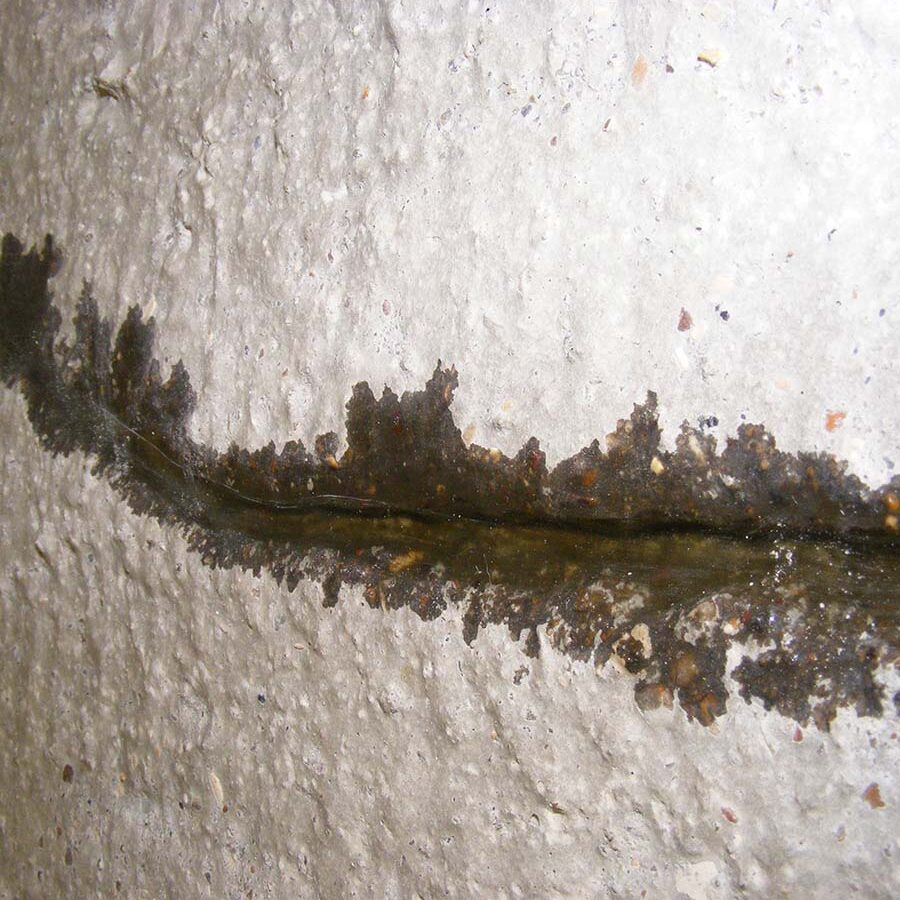
If you’re trying to fix a floor crack and nothing you use seems to work, the first question you should ask is: Is that crack actually a crack or is it an expansion joint?
Many people call Polycote because fillers keep cracking, falling out, or not performing as expected. But before choosing a repair product, the very first step is to find out what you’re dealing with:
- Is it an expansion joint that’s meant to be there?
- Or is it a structural crack that needs repairing?
If you mistake one for the other and choose the wrong product, the repair won’t last.
If you’re trying to fix a floor crack and nothing you use seems to work, the first question you should ask is: Is that crack actually a crack or is it an expansion joint?
Many people call Polycote because fillers keep cracking, falling out, or not performing as expected. But before choosing a repair product, the very first step is to find out what you’re dealing with:
- Is it an expansion joint that’s meant to be there?
- Or is it a structural crack that needs repairing?
If you mistake one for the other and choose the wrong product, the repair won’t last.
How to Identify an Expansion Joint
Expansion joints are intentional gaps placed between sections of a slab or floor. Their job is to allow the slabs to move independently due to:
- Temperature changes
- Load stresses
- Moisture changes
How to Spot One
A useful rule of thumb:
- If the line is perfectly straight and runs consistently across the floor, it’s likely an expansion joint.
This is because expansion joints are often aligned with original slab edges or construction day joints.
Expansion joints are intentional gaps placed between sections of a slab or floor. Their job is to allow the slabs to move independently due to:
- Temperature changes
- Load stresses
- Moisture changes
How to Spot One
A useful rule of thumb:
- If the line is perfectly straight and runs consistently across the floor, it’s likely an expansion joint.
This is because expansion joints are often aligned with original slab edges or construction day joints.
How to Identify a Structural Crack
By contrast, structural cracks are caused by issues in the slab itself — such as movement, settlement, or material stress — and are not intentional gaps.
Look For:
- Irregular paths
- “Wiggly” or branching cracks
- Non-straight lines
If it doesn’t follow a straight route, it’s much more likely to be a structural crack, not an expansion joint.
Be careful: one of the lines might still be the actual expansion joint even if others nearby are structural cracks.
By contrast, structural cracks are caused by issues in the slab itself — such as movement, settlement, or material stress — and are not intentional gaps.
Look For:
- Irregular paths
- “Wiggly” or branching cracks
- Non-straight lines
If it doesn’t follow a straight route, it’s much more likely to be a structural crack, not an expansion joint.
Be careful: one of the lines might still be the actual expansion joint even if others nearby are structural cracks.
Why It Matters What You Fill It With
Expansion Joints Need Flexible Fillers
Important: You should never fill an expansion joint with a product that cures hard and rigid.
Why?
- Expansion joints exist so slabs can move independently.
- If you fill the gap with something solid, you prevent that movement.
- This can cause new structural cracks to form — worsening the problem.
Even if you don’t feel movement underfoot, heavy equipment like forklifts can make this movement noticeable if you stand on each slab separately.
Expansion Joints Need Flexible Fillers
Important: You should never fill an expansion joint with a product that cures hard and rigid.
Why?
- Expansion joints exist so slabs can move independently.
- If you fill the gap with something solid, you prevent that movement.
- This can cause new structural cracks to form — worsening the problem.
Even if you don’t feel movement underfoot, heavy equipment like forklifts can make this movement noticeable if you stand on each slab separately.
Products for Structural Crack Repair
Polycote’s specialist concrete crack filler — ideal for fixing structural cracks that are irregular and not intentional joints.
- Type: Ultra-low viscosity epoxy.
- Use: Penetrates deep into cracks and cures harder than the surrounding concrete.
- Crack Size: Works from very fine up to about 10 mm wide.
- Best For: Floors, walls, slabs, industrial areas needing high-strength repair.
This restores structural integrity and prevents cracks from spreading.
When to use:
Use this only on structural cracks — not on expansion joints, because it creates a rigid repair that doesn’t allow movement.
Polycote’s specialist concrete crack filler — ideal for fixing structural cracks that are irregular and not intentional joints.
- Type: Ultra-low viscosity epoxy.
- Use: Penetrates deep into cracks and cures harder than the surrounding concrete.
- Crack Size: Works from very fine up to about 10 mm wide.
- Best For: Floors, walls, slabs, industrial areas needing high-strength repair.
This restores structural integrity and prevents cracks from spreading.
When to use:
Use this only on structural cracks — not on expansion joints, because it creates a rigid repair that doesn’t allow movement.
Products for Expansion/Construction Joints
- Type: Twin-pack polyurethane joint sealant.
- Features:
- Excellent chemical resistance and impact/traffic resistance.
- Flexible — does not restrict slab movement.
- Suitable for internal/external use on concrete, metal, asphalt, etc.
- Use: When you need a flexible sealant that also resists oils, fuels or harsh cleaners.
- Type: Twin-pack polyurethane joint sealant.
- Features:
- Excellent chemical resistance and impact/traffic resistance.
- Flexible — does not restrict slab movement.
- Suitable for internal/external use on concrete, metal, asphalt, etc.
- Use: When you need a flexible sealant that also resists oils, fuels or harsh cleaners.
Need more advice on cracks and expansion joints?
Get in touch with our technical experts on 01234 846780 or email [email protected].

Article contributors


