

How To Prevent Heat From Rooflights

Rooflights bring valuable natural light into buildings, but on warm days they can also let in unwanted heat. If rooflight heat gain is making your workspace or home uncomfortable or increasing cooling costs, there are practical solutions that reduce heat without blocking all daylight.
Rooflights bring valuable natural light into buildings, but on warm days they can also let in unwanted heat. If rooflight heat gain is making your workspace or home uncomfortable or increasing cooling costs, there are practical solutions that reduce heat without blocking all daylight.
1. Use Solar Reflective Window Film
One of the simplest and most cost-effective ways to reduce heat transmission through rooflights is to install solar reflective window film.
Window film is applied directly to the glass and works by reflecting a significant portion of incoming solar heat before it enters the building space.
It comes in a range of reflectivity levels and shades, allowing you to tailor the balance between heat reduction and visible light transmission.
Things to consider with window film:
- On double-glazed rooflights, select a lower reflectivity grade to avoid internal temperature stress on the glass.
- Films are not suitable for textured or curved glass surfaces.
- Once installed, films are permanent and not designed for frequent removal.
Rooflight films create a passive barrier to solar heat gain with minimal disruption and no specialist installation required.
One of the simplest and most cost-effective ways to reduce heat transmission through rooflights is to install solar reflective window film.
Window film is applied directly to the glass and works by reflecting a significant portion of incoming solar heat before it enters the building space.
It comes in a range of reflectivity levels and shades, allowing you to tailor the balance between heat reduction and visible light transmission.
Things to consider with window film:
- On double-glazed rooflights, select a lower reflectivity grade to avoid internal temperature stress on the glass.
- Films are not suitable for textured or curved glass surfaces.
- Once installed, films are permanent and not designed for frequent removal.
Rooflight films create a passive barrier to solar heat gain with minimal disruption and no specialist installation required.
2. Apply Solar Reflective Coatings
If you want a durable, long-lasting solution, a solar reflective coating can be applied to the rooflight surface.
Polycote Solarflex is a high-performance solar reflective paint with excellent waterproofing and thermal reflectivity. It can be applied directly to glass, polycarbonate, or Perspex rooflights, helping to reduce the heat transmitted through the glazing.
Key benefits of Solarflex:
- Blocks unwanted heat gain – significantly reduces solar radiation entering the building.
- Waterproof finish – protects the rooflight surface from rain and moisture once cured.
- Adheres well to multiple rooflight materials, including glass and plastic.
Solarflex is applied with a brush or broom and becomes rain-resistant as soon as it has cured, making it a practical choice for rooflights in industrial, commercial, or residential buildings.
Safety note: Because Solarflex blocks light and can obscure the presence of a rooflight, ensure that the area is clearly marked so people know not to step on it.
If you want a durable, long-lasting solution, a solar reflective coating can be applied to the rooflight surface.
Polycote Solarflex is a high-performance solar reflective paint with excellent waterproofing and thermal reflectivity. It can be applied directly to glass, polycarbonate, or Perspex rooflights, helping to reduce the heat transmitted through the glazing.
Key benefits of Solarflex:
- Blocks unwanted heat gain – significantly reduces solar radiation entering the building.
- Waterproof finish – protects the rooflight surface from rain and moisture once cured.
- Adheres well to multiple rooflight materials, including glass and plastic.
Solarflex is applied with a brush or broom and becomes rain-resistant as soon as it has cured, making it a practical choice for rooflights in industrial, commercial, or residential buildings.
Safety note: Because Solarflex blocks light and can obscure the presence of a rooflight, ensure that the area is clearly marked so people know not to step on it.
3. Internal Reflective Coatings to Cut Glare
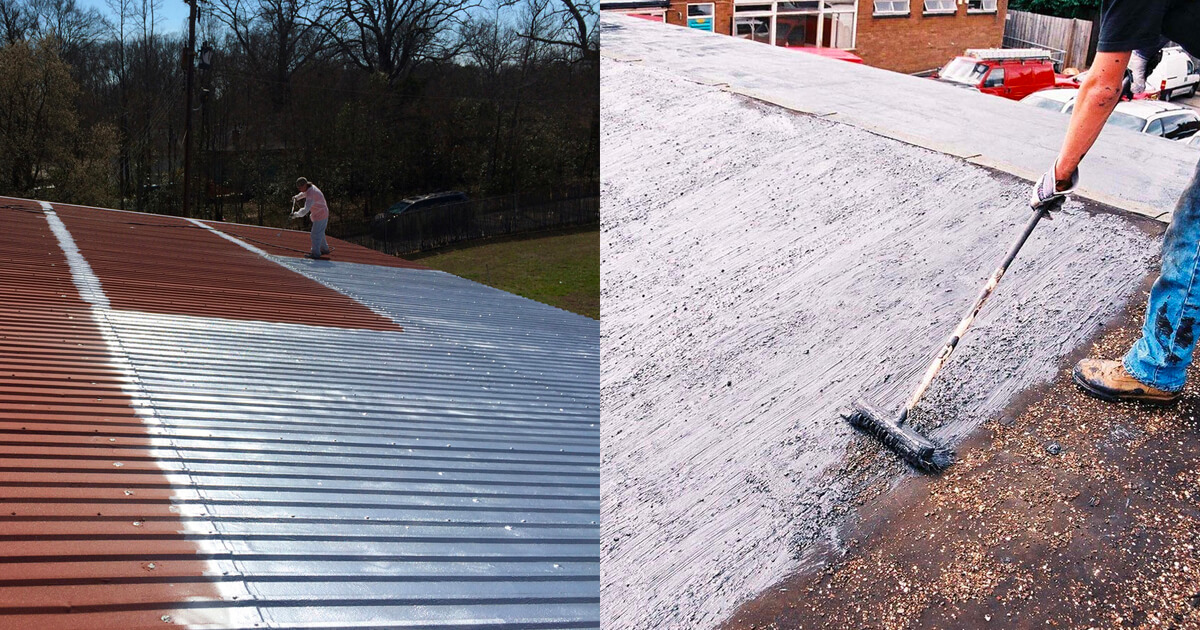
An internally applied solar reflective coating can help reduce heat and glare without affecting the external appearance of the rooflight.
This internal solution not only helps reduce uncomfortable radiant heat but also protects carpets, furnishings, and interior finishes from UV degradation.
An internally applied solar reflective coating can help reduce heat and glare without affecting the external appearance of the rooflight.
This internal solution not only helps reduce uncomfortable radiant heat but also protects carpets, furnishings, and interior finishes from UV degradation.
Summary
Excess heat from rooflights can easily be controlled by:
- Applying solar reflective films that reject a large proportion of incoming heat at the glass surface.
- Using Polycote Solarflex solar reflective paint to block heat and provide waterproof protection.
- Adding internal reflective coatings to reduce glare and UV damage.
These solutions help manage rooflight heat gain while still making the most of natural daylight.
Excess heat from rooflights can easily be controlled by:
- Applying solar reflective films that reject a large proportion of incoming heat at the glass surface.
- Using Polycote Solarflex solar reflective paint to block heat and provide waterproof protection.
- Adding internal reflective coatings to reduce glare and UV damage.
These solutions help manage rooflight heat gain while still making the most of natural daylight.
Need More Advice on Roofing Solutions?
Our technical team are here to help with your roofing questions. Call 01234 846 780 or email [email protected] and we’ll walk you through it.
Article contributors