

What is a DPM and why do I need one?
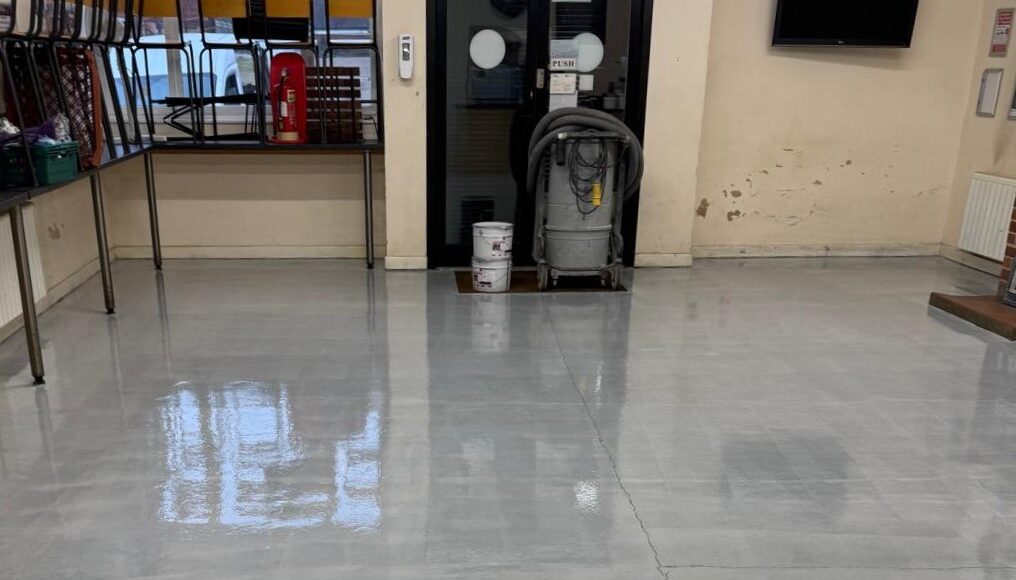
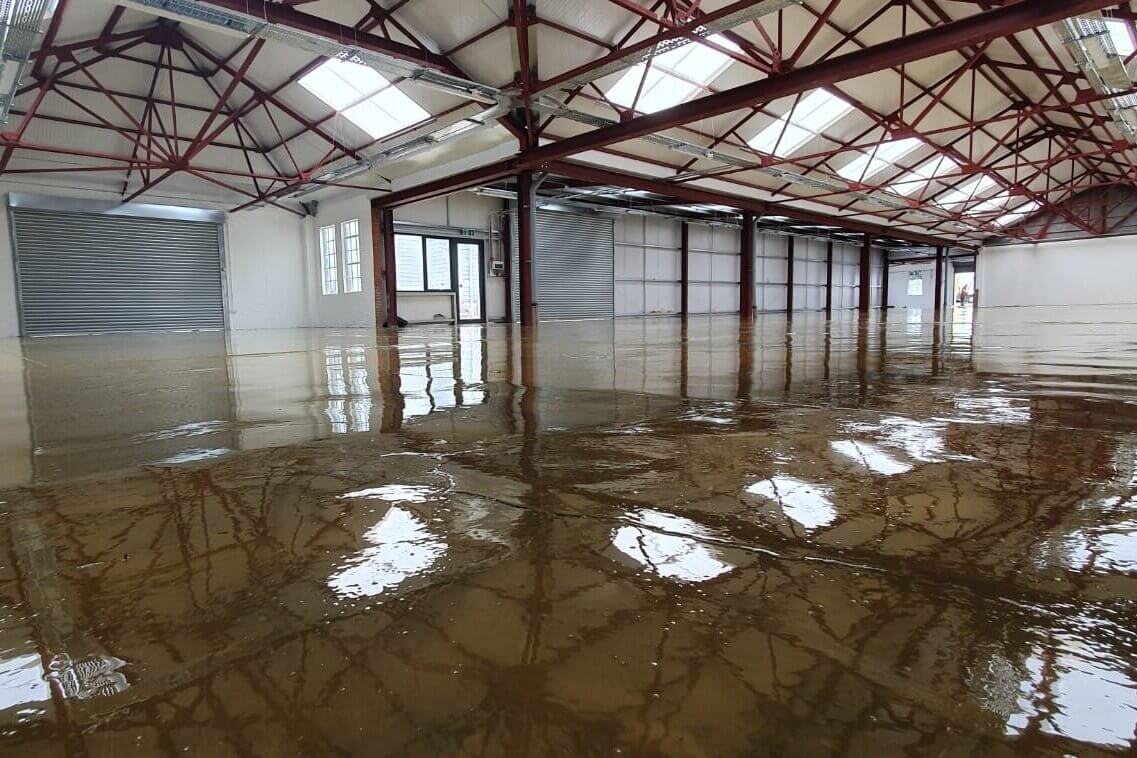
When installing a new floor, think about whether you need a DPM. DPM stands for Damp Proof Membrane. Without a barrier, moisture from the ground can rise through concrete. This can harm your floor covering, such as vinyl, tiles, carpet, or a special resin coating.
At Polycote, we’ve helped many businesses avoid moisture-related floor failures. This saves them money and prevents disruptions. In this post, we’ll cover what a DPM is, when to use one, and how to install it.
When installing a new floor, think about whether you need a DPM. DPM stands for Damp Proof Membrane. Without a barrier, moisture from the ground can rise through concrete. This can harm your floor covering, such as vinyl, tiles, carpet, or a special resin coating.
At Polycote, we’ve helped many businesses avoid moisture-related floor failures. This saves them money and prevents disruptions. In this post, we’ll cover what a DPM is, when to use one, and how to install it.
What is DPM? (DPM meaning in construction)
A Damp Proof Membrane (DPM) is a waterproof layer. It stops moisture from seeping through a floor slab. In construction, it serves as a barrier. It stops ground moisture from entering the building.
A DPM is a thick plastic sheet, often 1000–1200 gauge polythene. It is placed beneath concrete slabs in new buildings. This traditional method protects the floor from rising damp during construction.
In refurbishment or retrofit projects, contractors can’t always lay down new sheeting. Instead, people often use liquid-applied membranes like epoxy resins or two-part moisture-tolerant primers. These modern options form a sealed barrier on top of existing concrete. They are very popular in commercial and industrial settings.
A Damp Proof Membrane (DPM) is a waterproof layer. It stops moisture from seeping through a floor slab. In construction, it serves as a barrier. It stops ground moisture from entering the building.
A DPM is a thick plastic sheet, often 1000–1200 gauge polythene. It is placed beneath concrete slabs in new buildings. This traditional method protects the floor from rising damp during construction.
In refurbishment or retrofit projects, contractors can’t always lay down new sheeting. Instead, people often use liquid-applied membranes like epoxy resins or two-part moisture-tolerant primers. These modern options form a sealed barrier on top of existing concrete. They are very popular in commercial and industrial settings.
What is the Purpose of a DPM?
The purpose of a DPM is to control rising damp – the movement of moisture up through the substrate from below. Left unchecked, this can lead to:
- Damp smells and mould growth
- Blistering or peeling floor coatings
- Adhesive failures
- Damage to sensitive or decorative finishes
Using a DPM protects the integrity of your flooring and ensures long-term performance.
The purpose of a DPM is to control rising damp – the movement of moisture up through the substrate from below. Left unchecked, this can lead to:
- Damp smells and mould growth
- Blistering or peeling floor coatings
- Adhesive failures
- Damage to sensitive or decorative finishes
Using a DPM protects the integrity of your flooring and ensures long-term performance.
What is the Difference Between a DPC and a DPM?
It’s common to confuse DPC and DPM, but they serve different purposes in construction:
- Install DPC (Damp Proof Course) in walls to stop rising damp. It’s usually a physical layer, like plastic or slate, built into the brickwork.
- Flooring uses DPM (Damp Proof Membrane) to block moisture from the ground below.
In some cases, you need both for full protection. This is especially true for older properties or areas with high moisture levels.
It’s common to confuse DPC and DPM, but they serve different purposes in construction:
- Install DPC (Damp Proof Course) in walls to stop rising damp. It’s usually a physical layer, like plastic or slate, built into the brickwork.
- Flooring uses DPM (Damp Proof Membrane) to block moisture from the ground below.
In some cases, you need both for full protection. This is especially true for older properties or areas with high moisture levels.
How to Install Damp Proof Membrane on the Floor
Proper installation of a DPM is essential. Here’s a basic guide:
- Assess the moisture level. Use a moisture meter to check the humidity in the slab.
- Pick the right product. For existing concrete, use a liquid DPM like Polycote DPM Primer. It’s a two-part epoxy system that works well in moist conditions.
- Prepare the surface by ensuring the substrate is clean and completely dry. Remove any loose materials or dust.
- Apply the membrane. For liquid DPMs, use a roller or brush. Follow the manufacturer’s coverage and drying time instructions.
- Allow to cure completely. Don’t apply flooring or screeds until the membrane is dry and bonded.
- Install your finish. It could be tiles, resin, or self-levelling screeds. Your floor is now protected.
Polycote has everything you need. We offer damp-proofing primers, screeds, and resin coatings. Each product works together for lasting performance.
Proper installation of a DPM is essential. Here’s a basic guide:
- Assess the moisture level. Use a moisture meter to check the humidity in the slab.
- Pick the right product. For existing concrete, use a liquid DPM like Polycote DPM Primer. It’s a two-part epoxy system that works well in moist conditions.
- Prepare the surface by ensuring the substrate is clean and completely dry. Remove any loose materials or dust.
- Apply the membrane. For liquid DPMs, use a roller or brush. Follow the manufacturer’s coverage and drying time instructions.
- Allow to cure completely. Don’t apply flooring or screeds until the membrane is dry and bonded.
- Install your finish. It could be tiles, resin, or self-levelling screeds. Your floor is now protected.
Polycote has everything you need. We offer damp-proofing primers, screeds, and resin coatings. Each product works together for lasting performance.
DPM Flooring: Applications and Benefits
DPM flooring is a popular choice in:
- Warehouses and industrial units with floors that face heavy traffic need moisture resistance.
- Retail units must protect decorative finishes from bubbling or lifting.
- Food production areas need hygienic and sealed surfaces.
- Offices and schools often use carpeting or vinyl. Moisture can ruin adhesives.
Picking the right DPM flooring makes your floors sturdy and cuts down on repair times.
DPM flooring is a popular choice in:
- Warehouses and industrial units with floors that face heavy traffic need moisture resistance.
- Retail units must protect decorative finishes from bubbling or lifting.
- Food production areas need hygienic and sealed surfaces.
- Offices and schools often use carpeting or vinyl. Moisture can ruin adhesives.
Picking the right DPM flooring makes your floors sturdy and cuts down on repair times.
Why a DPM is Worth It
If you’re asking yourself, “Do I really need a DPM?” the answer is likely yes. Moisture can harm both old and new buildings. It’s often cheaper and easier to install a DPM at the start than to fix problems later.
If you’re unsure about moisture levels or which DPM product is best, speak to the team at Polycote. We help everyone, from factories to care homes, get lasting floors. We’re also here to advise you on the best primers, screeds, and finishes for your needs.
If you’re asking yourself, “Do I really need a DPM?” the answer is likely yes. Moisture can harm both old and new buildings. It’s often cheaper and easier to install a DPM at the start than to fix problems later.
If you’re unsure about moisture levels or which DPM product is best, speak to the team at Polycote. We help everyone, from factories to care homes, get lasting floors. We’re also here to advise you on the best primers, screeds, and finishes for your needs.

FAQs: Common Questions About DPM
Need further advice?
Need further advice?
Our technical team is here to offer expert advice on any flooring projects. Call 01234 846 780 or email uksales@polycote.com for free advice, quotes, or site visits.

Article contributors