

How to Waterproof a Floor and Stop Rising Damp

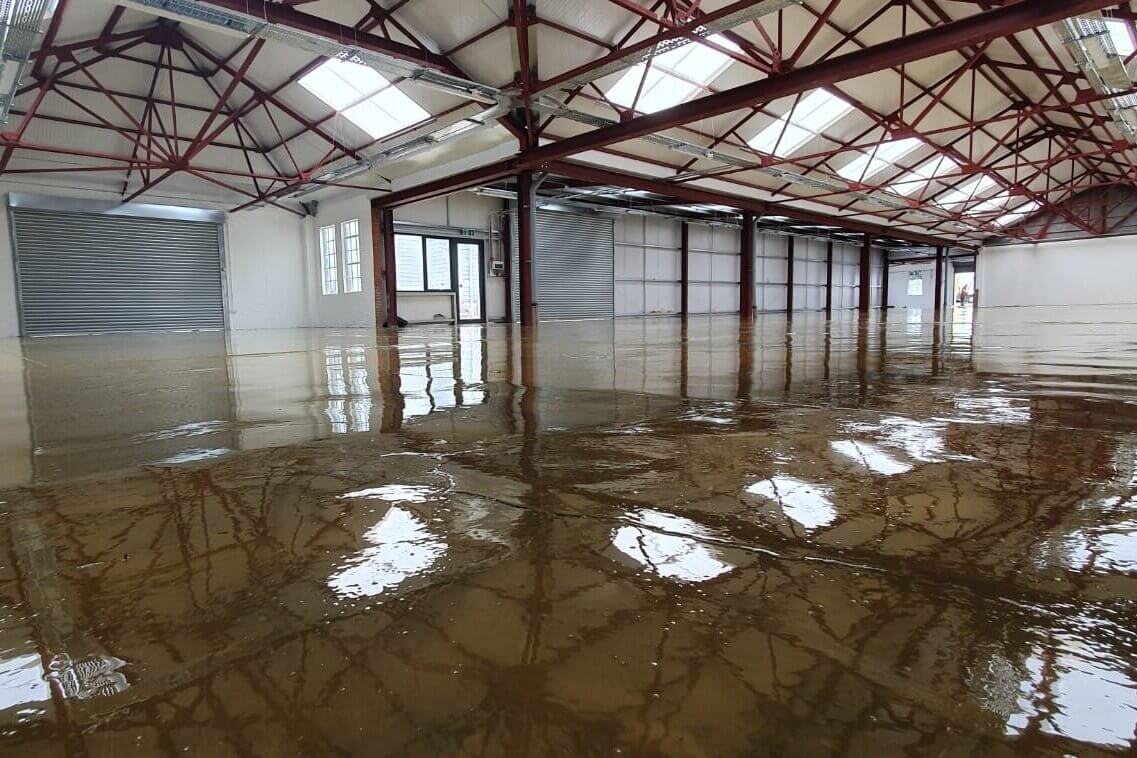
Even though most modern buildings include a damp‑proof course, many older structures were built without one. The absence (or damage) of a damp proof membrane means moisture can rise up through the floor slab, creating persistent damp issues.
Even though most modern buildings include a damp‑proof course, many older structures were built without one. The absence (or damage) of a damp proof membrane means moisture can rise up through the floor slab, creating persistent damp issues.
Common Causes of Floor Moisture
New Concrete
One frequent error is applying finishes before new concrete has fully dried. The curing time depends on:
- The thickness of the concrete slab — as a guide: “one day per mm of thickness”.
- Ambient temperature.
- Humidity levels.
Cleaning & Preparation Issues
Another common mistake: applying coatings right after water‑based cleaning without allowing sufficient drying time. The substrate’s porosity and atmospheric conditions both affect how long it will take to become dry enough for coating.
Missing or Damaged Damp Proof Membrane
In many older buildings there is either no DPM (Damp Proof Membrane) or the existing one is damaged or punctured. In such cases moisture rises through the slab and causes flooring failures (peeling, delamination).
New Concrete
One frequent error is applying finishes before new concrete has fully dried. The curing time depends on:
- The thickness of the concrete slab — as a guide: “one day per mm of thickness”.
- Ambient temperature.
- Humidity levels.
Cleaning & Preparation Issues
Another common mistake: applying coatings right after water‑based cleaning without allowing sufficient drying time. The substrate’s porosity and atmospheric conditions both affect how long it will take to become dry enough for coating.
Missing or Damaged Damp Proof Membrane
In many older buildings there is either no DPM (Damp Proof Membrane) or the existing one is damaged or punctured. In such cases moisture rises through the slab and causes flooring failures (peeling, delamination).
Waterproofing & Damp Control Solutions
Primer and Coating Strategy
For rising damp situations, it’s vital not just to apply a floor coating, but to ensure the substrate is prepared and that the system can accommodate hydrostatic pressure from beneath. If moisture is rising, using a standard floor paint or screed often leads to lifting and failure.
Here’s a recommended approach:
-
- Allow concrete to dry sufficiently after pouring or cleaning, before applying coatings.
- Prime the substrate with a suitable twin‑pack epoxy or moisture‑tolerant primer, creating a barrier against moisture
rising through the slab.
- Apply the top‑coat or self‑levelling screed once the primer is cured, to give a durable and sealed finish.
Primer and Coating Strategy
For rising damp situations, it’s vital not just to apply a floor coating, but to ensure the substrate is prepared and that the system can accommodate hydrostatic pressure from beneath. If moisture is rising, using a standard floor paint or screed often leads to lifting and failure.
Here’s a recommended approach:
-
- Allow concrete to dry sufficiently after pouring or cleaning, before applying coatings.
- Prime the substrate with a suitable twin‑pack epoxy or moisture‑tolerant primer, creating a barrier against moisture
rising through the slab. - Apply the top‑coat or self‑levelling screed once the primer is cured, to give a durable and sealed finish.
Why the Right System Matters
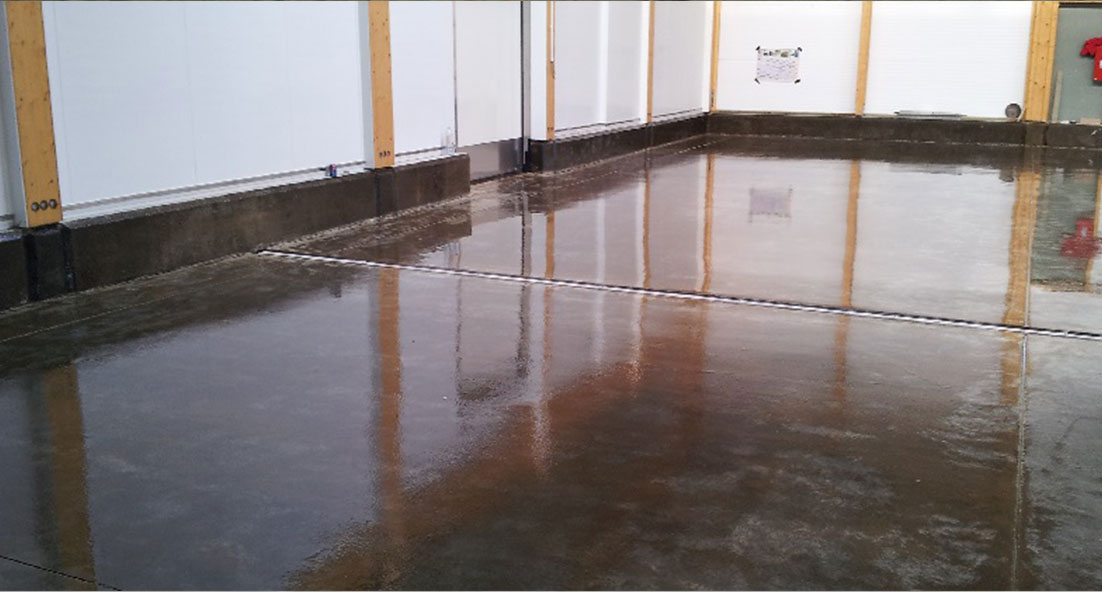
When rising damp is present, it exerts pressure from beneath the floor surface. If you apply a normal paint or coating without considering this, the pressure can cause:
- The coating or screed to delaminate from the floor.
- The edge of the slab to break away or the whole system to fail prematurely.
- By installing a proper damp‑proof primer and then a compatible top coating, you avoid these failures and ensure a long‑lasting result.
When rising damp is present, it exerts pressure from beneath the floor surface. If you apply a normal paint or coating without considering this, the pressure can cause:
- The coating or screed to delaminate from the floor.
- The edge of the slab to break away or the whole system to fail prematurely.
- By installing a proper damp‑proof primer and then a compatible top coating, you avoid these failures and ensure a long‑lasting result.
Summary & Next Steps
- Recognise rising damp as a root cause of many floor failures.
- Ensure floor slabs (especially new or recently cleaned ones) are fully dried before coatings.
- Use a moisture‑resistant primer as part of the system.
- Choose an appropriate top‑coat or screed compatible with the primer and substrate.
If you’re unsure which product or primer is suitable for your specific scenario, it’s best to consult with the technical team.
- Recognise rising damp as a root cause of many floor failures.
- Ensure floor slabs (especially new or recently cleaned ones) are fully dried before coatings.
- Use a moisture‑resistant primer as part of the system.
- Choose an appropriate top‑coat or screed compatible with the primer and substrate.
If you’re unsure which product or primer is suitable for your specific scenario, it’s best to consult with the technical team.
Article contributors