


Make Sure You Check Your Roof For Snow Damage
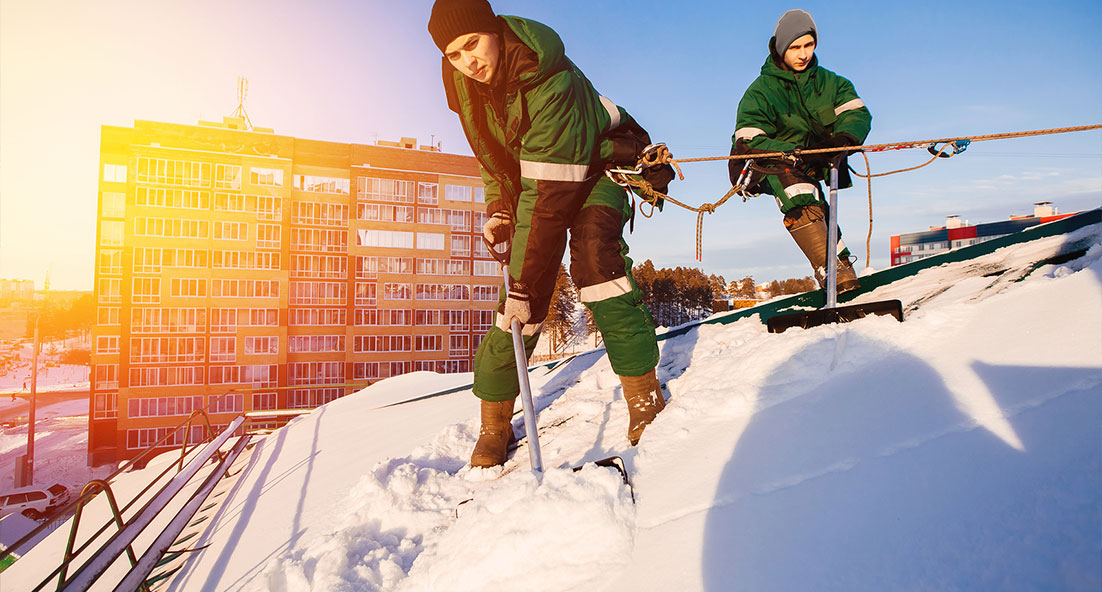
Winter weather can be beautiful, but the snow that settles on your roof can also hide serious damage that isn’t visible until after the thaw. Once the snow melts, issues like structural strain, ice dams and water ingress can become obvious, and costly if left unchecked. This guide explains what to look for, how problems develop, and when to call in professionals.
Winter weather can be beautiful, but the snow that settles on your roof can also hide serious damage that isn’t visible until after the thaw. Once the snow melts, issues like structural strain, ice dams and water ingress can become obvious, and costly if left unchecked. This guide explains what to look for, how problems develop, and when to call in professionals.
Why Snow on Your Roof Matters
In many parts of the UK, prolonged snow cover has become more common. While a few centimetres of snow won’t usually cause trouble, significant build-ups, especially over two feet, can put stress on roofing structures and increase the risk of damage.
In one real example, a glass roof at a shopping centre in Bath collapsed under heavy snow loads once the ice began to melt, closing the premises and forcing repairs.
In many parts of the UK, prolonged snow cover has become more common. While a few centimetres of snow won’t usually cause trouble, significant build-ups, especially over two feet, can put stress on roofing structures and increase the risk of damage.
In one real example, a glass roof at a shopping centre in Bath collapsed under heavy snow loads once the ice began to melt, closing the premises and forcing repairs.
Signs You Should Inspect Your Roof
Here are key indicators that snow or ice may have affected your roof:
Water Marks or Damp Patches Inside
Look in upstairs rooms and loft spaces for signs of water staining — these can be early warning signs of leaks caused by snow melt finding its way through the roof layers.
Ice Dams Around Eaves
Ice dams form when melting snow refreezes at the cooler edges of the roof. Water can pool behind these ice ridges and seep under tiles and roof shingles, creating leak paths.
Missing or Dislodged Tiles
Snow, ice and freeze–thaw movement can loosen or break roof tiles. Check the roofline carefully from the ground (or with binoculars), and pay attention to any uneven areas. Professional inspections are safest for roof access.
Sagging or Structural Strain
Heavy snow accumulations add significant weight. If your roof structure creaks, sags, or you notice doors and windows becoming harder to open, these could be signs of structural stress.
Here are key indicators that snow or ice may have affected your roof:
Water Marks or Damp Patches Inside
Look in upstairs rooms and loft spaces for signs of water staining — these can be early warning signs of leaks caused by snow melt finding its way through the roof layers.
Ice Dams Around Eaves
Ice dams form when melting snow refreezes at the cooler edges of the roof. Water can pool behind these ice ridges and seep under tiles and roof shingles, creating leak paths.
Missing or Dislodged Tiles
Snow, ice and freeze–thaw movement can loosen or break roof tiles. Check the roofline carefully from the ground (or with binoculars), and pay attention to any uneven areas. Professional inspections are safest for roof access.
Sagging or Structural Strain
Heavy snow accumulations add significant weight. If your roof structure creaks, sags, or you notice doors and windows becoming harder to open, these could be signs of structural stress.
What to Do If You Suspect Damage
Get a Professional Inspection
Never climb onto a snowy or icy roof yourself. Roof inspections after winter weather are best left to trained professionals who can spot damage, check drainage and recommend repairs safely.
Consider Repairs Promptly
If damage is found, such as leaks, broken tiles or compromised flashing, arrange repairs quickly to prevent further issues when the next storm arrives. You might find products like roof tile paint and other roof coatings & repair solutions useful if your roof needs maintenance after inspection. Linking to related products can help readers find what they need.
Get a Professional Inspection
Never climb onto a snowy or icy roof yourself. Roof inspections after winter weather are best left to trained professionals who can spot damage, check drainage and recommend repairs safely.
Consider Repairs Promptly
If damage is found, such as leaks, broken tiles or compromised flashing, arrange repairs quickly to prevent further issues when the next storm arrives. You might find products like roof tile paint and other roof coatings & repair solutions useful if your roof needs maintenance after inspection. Linking to related products can help readers find what they need.
Stay Prepared for Future Weather
Regular roof maintenance, including checking for moss, debris in gutters and early signs of wear, alongside snow damage checks, will help ensure your roof performs well through every season. As part of a broader home care routine, you might also explore articles on winter building maintenance and weatherproofing fundamentals.
Regular roof maintenance, including checking for moss, debris in gutters and early signs of wear, alongside snow damage checks, will help ensure your roof performs well through every season. As part of a broader home care routine, you might also explore articles on winter building maintenance and weatherproofing fundamentals.
Related Resources You Might Like
Painting, Sealing and Refurbishing Roof Tiles – tips on protecting and renewing roof surfaces.
Roof Coatings & Repair Products – discover durable coatings and fixatives to help safeguard your roof.
Painting, Sealing and Refurbishing Roof Tiles – tips on protecting and renewing roof surfaces.
Roof Coatings & Repair Products – discover durable coatings and fixatives to help safeguard your roof.
Article contributors