


How to Test For Surface Soundness

How to Check If Your Concrete Surface Is Sound Before Applying an Epoxy or Polyurethane Coating
When it comes to achieving a long-lasting, high-performance floor finish, surface preparation is everything. This quick guide will walk you through a few simple but effective methods to determine whether your concrete surface is sound enough to support a polyurethane or epoxy coating system.
When it comes to achieving a long-lasting, high-performance floor finish, surface preparation is everything. This quick guide will walk you through a few simple but effective methods to determine whether your concrete surface is sound enough to support a polyurethane or epoxy coating system.
1. The Scratch Test
A straightforward way to assess surface integrity is by scratching the concrete with a screwdriver, file, or pocket knife. The metal should glide across the surface without dislodging any particles, leaving only a shiny mark.
If the tool digs in or gouges the surface, that’s a clear sign the concrete is weak or unsound. In such cases, it won’t properly support a high-performance coating and further surface preparation will be needed.
A straightforward way to assess surface integrity is by scratching the concrete with a screwdriver, file, or pocket knife. The metal should glide across the surface without dislodging any particles, leaving only a shiny mark.
If the tool digs in or gouges the surface, that’s a clear sign the concrete is weak or unsound. In such cases, it won’t properly support a high-performance coating and further surface preparation will be needed.
2. The Hammer Test
Another quick method is to strike the surface gently with the edge of a hammerhead. If the hammer rebounds sharply and leaves no visible mark, the concrete is sound.
However, if the impact feels soft, the hammer leaves a dent, or the surface crumbles, the substrate isn’t solid enough for an epoxy coating. Don’t worry, there are solutions. For example, Polycote EP Primer, a pure, low-viscosity epoxy, can penetrate and re-bond loose particles, effectively turning the weak layer into a durable epoxy screed.
Another quick method is to strike the surface gently with the edge of a hammerhead. If the hammer rebounds sharply and leaves no visible mark, the concrete is sound.
However, if the impact feels soft, the hammer leaves a dent, or the surface crumbles, the substrate isn’t solid enough for an epoxy coating. Don’t worry, there are solutions. For example, Polycote EP Primer, a pure, low-viscosity epoxy, can penetrate and re-bond loose particles, effectively turning the weak layer into a durable epoxy screed.
3. Beware of Surface Appearances
A concrete surface might look smooth, hard, and ready to coat – but appearances can be deceiving. Sometimes, a thin surface dressing may have been laid over an unsound substrate without proper priming (such as with EP Primer). This layer might look fine now but could easily delaminate later if not properly bonded.
A concrete surface might look smooth, hard, and ready to coat – but appearances can be deceiving. Sometimes, a thin surface dressing may have been laid over an unsound substrate without proper priming (such as with EP Primer). This layer might look fine now but could easily delaminate later if not properly bonded.
4. Listen for the “Sound” of Solid Concrete
This test relies on listening carefully as you tap across the floor with a hammer. A consistent, sharp “ring” indicates a sound surface. But if the tone suddenly changes to a dull thud, that’s a sign the top layer is no longer well-adhered to the substrate.
When you strike solid concrete, the particles stay still. In weaker spots, you’ll often notice the surface flex slightly or see nearby particles move. These dull areas indicate delamination or poor adhesion below the surface.
This test relies on listening carefully as you tap across the floor with a hammer. A consistent, sharp “ring” indicates a sound surface. But if the tone suddenly changes to a dull thud, that’s a sign the top layer is no longer well-adhered to the substrate.
When you strike solid concrete, the particles stay still. In weaker spots, you’ll often notice the surface flex slightly or see nearby particles move. These dull areas indicate delamination or poor adhesion below the surface.
5. Common Causes of Unsound Concrete
There are several reasons why concrete might not be sound, including:
- Laitance (a weak, powdery layer on the surface)
- Chemical degradation or attack
- Rising damp or water pressure
- Poor concrete mix or improper curing
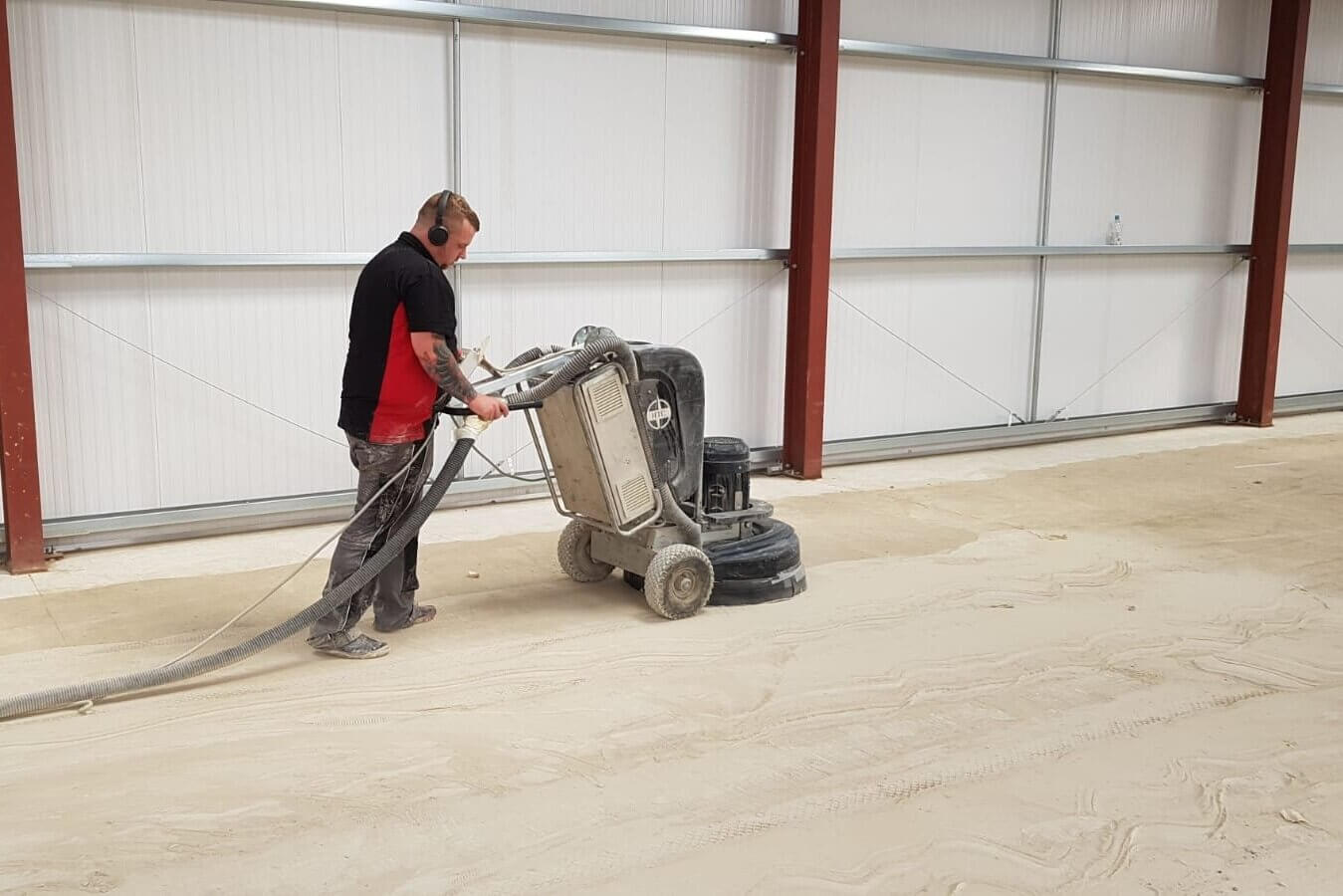
If you suspect any of these issues, it’s best to remove the weak top layer and inspect what’s beneath. If delamination is limited to the surface screed, you can refer to our guide “How to Prepare My Concrete Floor” for next steps.
There are several reasons why concrete might not be sound, including:
- Laitance (a weak, powdery layer on the surface)
- Chemical degradation or attack
- Rising damp or water pressure
- Poor concrete mix or improper curing
If you suspect any of these issues, it’s best to remove the weak top layer and inspect what’s beneath. If delamination is limited to the surface screed, you can refer to our guide “How to Prepare My Concrete Floor” for next steps.
Need advice on on surface preparation?
The Polycote technical team can offer you expert advice on any project. Call 01234 846 780 for tailored recommendations or a free, no-obligation quote.
Article contributors